Table Of Content
Wet a towel with hot water, wring it out, and then wrap it around your head. The heat will help to soothe the affected area and reduce inflammation. If none of the above reasons seem to be the cause of your scalp pain, it might be a good idea to see a doctor to find out what might be causing the problem. Another potential reason for the pain is if you are using a hair treatment that is too strong for your scalp. If this is the case, you might need to use a less strong treatment or one that is specifically designed for sensitive scalps. Another reason for the pain might be an allergic reaction to the treatment.
How to get relief for scalp tenderness at home
If you address the issue from the first signs of hair thinning and balding, there is a good chance any hair loss can be reversed or stopped. And if medication is not sufficient to treat your hair thinning, you may be a good candidate for a hair transplant. It is a safe and efficient procedure and the best hair transplant clinics in the UK have a % success rate. Check out the before and after hair transplant gallery to see the results for yourself. "Pulling the hair back tightly can put pressure on the hair follicles themselves, leading to inflammation," Dr. Zeichner says. Over-cleansing can dry out sensitive scalps and cause dandruff flakes to flourish.
What are some causes of hair and scalp pain?

Occipital neuralgia is a headache disorder that causes sharp burning pain or shock-like pain in the upper neck and head. Trigeminal neuralgia is an electric shock-like pain that is felt on the face. Both nerve conditions can trigger pain sensations in the scalp.
How to tell if scalp pain is something serious or not
Why Exactly Does My Hair Hurt? Experts Share How to Help Scalp Pain - Vogue
Why Exactly Does My Hair Hurt? Experts Share How to Help Scalp Pain.
Posted: Wed, 11 Oct 2023 07:00:00 GMT [source]
Scalp pain can stem from a range of different causes, including skin conditions, infections, hair styling habits, headaches, sunburn, and more. Treatment to reduce scalp discomfort will depend on the underlying cause, and can vary from self-massage, medicated shampoos, or topical or oral prescription medications. Prevention tactics like scalp care, gentle washing, reducing stress, and protecting skin from the sun can help in some cases. Dermatologic diseases aren’t typically the cause of most hair or scalp pain, but they can contribute to it.
Grosberg advises working with a headache specialist (you can find one by searching the Migraine Research Foundation) who can create a treatment tailored for the type of migraines you’re having. Scalp pain is a common problem that can be caused by a variety of factors, from tight hairstyles to underlying medical conditions. Take a moment and identify any stressors contributing to your headaches and scalp pain.
Reasons Why Your Hair Hurts, According to a Dermatologist
The risk of harmful effects from any type of massage therapy appears to be minimal. A study involving 34 female office workers who received twice-weekly scalp massages for 10 weeks. Researchers observed positive effects on stress hormones (norepinephrine and cortisol), blood pressure, and heart rate. Results from two small studies show that there may be some correlation between scalp massage and hair growth patterns.
Researchers are not sure about what exactly causes scalp psoriasis. They believe it to be something linked to your immune system that causes skin cells to grow hastily and build up patches. People with a sensitive scalp should carefully monitor their condition and hair care practices.
While tenderness can affect your entire scalp, it may sometimes only manifest on the directly affected area. In some cases, these symptoms might be related to other disorders like hair loss, etc. Allodynia is rare, however, it's common in people with neuropathic pain. As per a study by The Lancet, 15 to 50 percent of people who have neuropathic pain experience allodynia.
Scalp infection
Why Does My Hair Hurt — Is That Even a Thing? - Allure
Why Does My Hair Hurt — Is That Even a Thing?.
Posted: Tue, 23 Jan 2024 08:00:00 GMT [source]
Although sometimes there can be no visible symptoms of friction from headgear, you might notice redness or irritation on the tender area of your scalp. If the friction is severe, you may even notice fluid-filled blisters or friction burns, which likely cause sharp, burning pain when touched. If you have recently hit, cut or scraped your head, you may have developed a bruise, bump or scab on your scalp which can be painful to touch or press on [1]. It is rather common for people to forget they have bumped or scraped their head or to not even realise they have hurt their scalp if the experience wasn’t very painful. If you are experiencing tenderness or pain on both sides of your head, it is likely that you are experiencing a migraine.
“Avoid tight hairstyles and hair accessories that pull on the hair and handle your hair with care to minimise breakage and damage. There are many things that might cause your hair to hurt, such improper washing, tight hairstyles, and overuse of products. But these are all very common mistakes and not everyone ends up with a sore scalp. The truth is, we are all individuals, and what hurts you may not hurt another.
Avoid wearing these styles too often or for too long, as they can cause pain and damage. If you do need to use a tight style — such as for ballet, gymnastics, or other activities — avoid doing your hair when it’s wet. When we talk about hair hurting, we’re not referring to the hair itself, of course. What people actually mean is that the roots of their hair hurt, causing tenderness across their scalp. Though it may be beneficial for some ailments, scalp massage and any form of massage therapy should not be used in place of medical treatment.
In one study, hair thickness increased in nine males after receiving a four-minute scalp massage once daily for 24 days. Researchers proposed that mechanical stress on the cells of the hair follicles (dermal papilla cells) stimulates the hair follicles to produce thicker hair. “I had premature graying very young, and after so many years of coloring, I developed an intolerance and my hair would hurt whenever I got a touch-up,” says Dr. Jaliman. This works well with dye, but not bleach which can also irritation, especially when it's left on too long, says Dr. Jaliman. She has prescribed topical steroids to calm patients' scalps when they are sore after bleaching. One common cause of scalp pain is traction alopecia when the hair is pulled too tightly.
For a mild case of folliculitis, home remedies such as an antibacterial cleanser or anti-itch creams can help. If boils or carbuncles (clusters of boils) form on the scalp, you will have to get them drained by your healthcare provider. An infection of the hair follicles can lead to symptoms of pain, itching, and irritation.
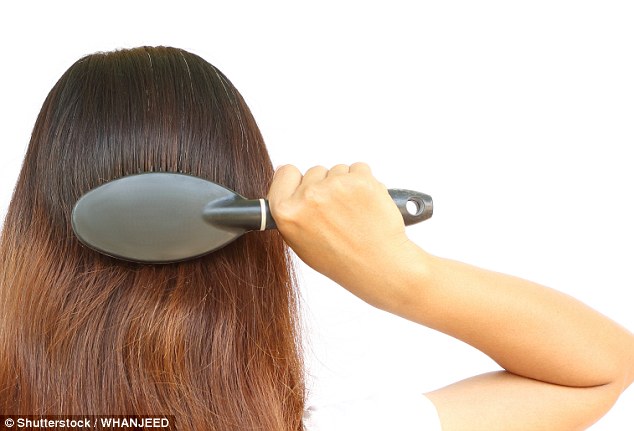
Sometimes using a different kind of comb or brush like a wide-toothed comb or detangling brush can help minimize the discomfort caused by brushing in the opposite direction. This is especially true of those with a condition called polymyalgia rheumatica. It is a rare condition that typically affects adults over age 50.